Moral Injury & Scrupulosity: Faith-Aware ART
Moral injury and scrupulosity need care that honors belief and conscience. Faith-aware ART reduces distress while respecting values.
ART Intensives vs. Weekly Sessions: Which Is Right for You?
Considering an ART intensive? Compare 2–3 hour focused work vs. weekly sessions, who each serves best, pacing, and aftercare.
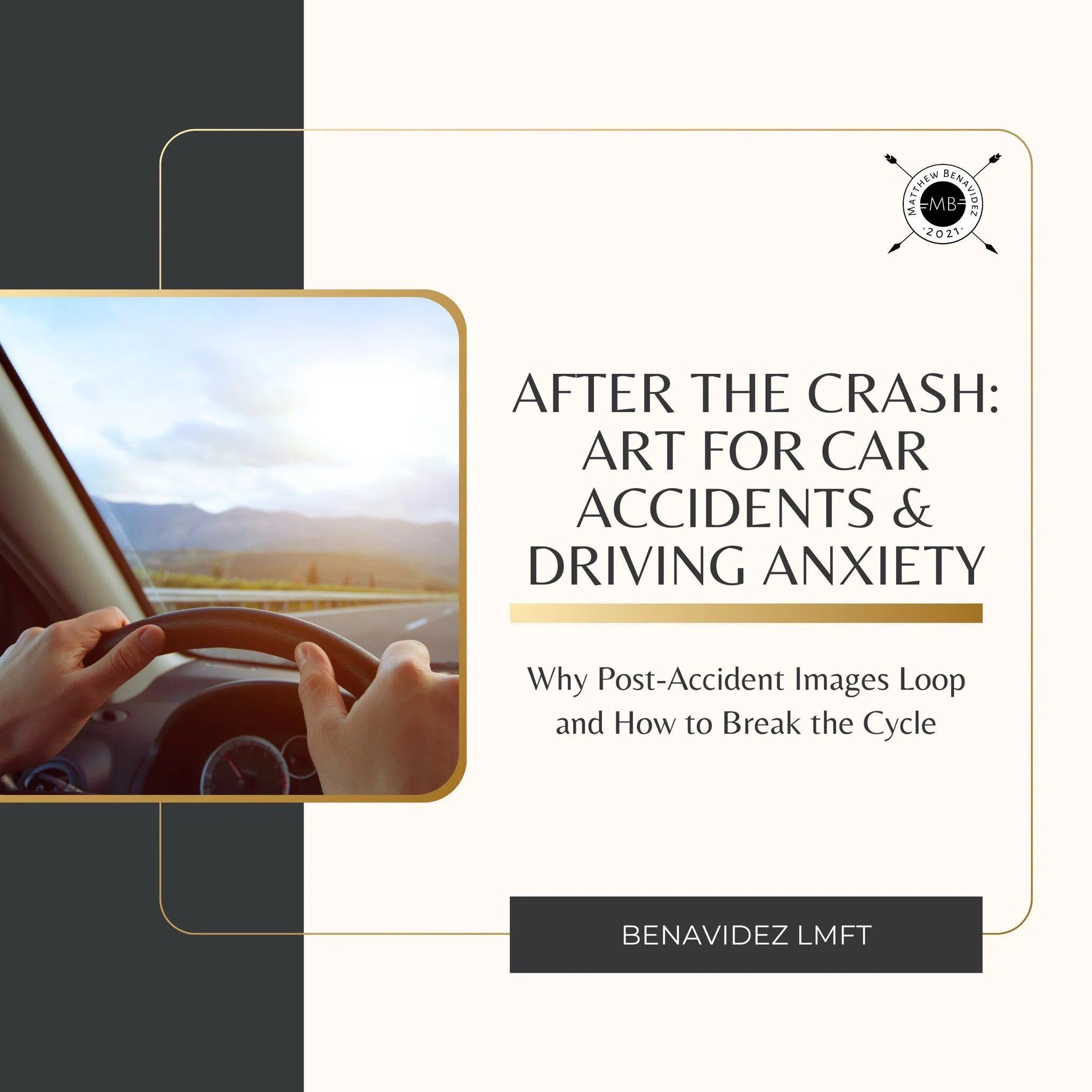
After the Crash: ART for Car Accidents & Driving Anxiety
After a crash, images and body alarms can loop. ART targets specific moments so driving can feel safer again. Here’s how sessions work.
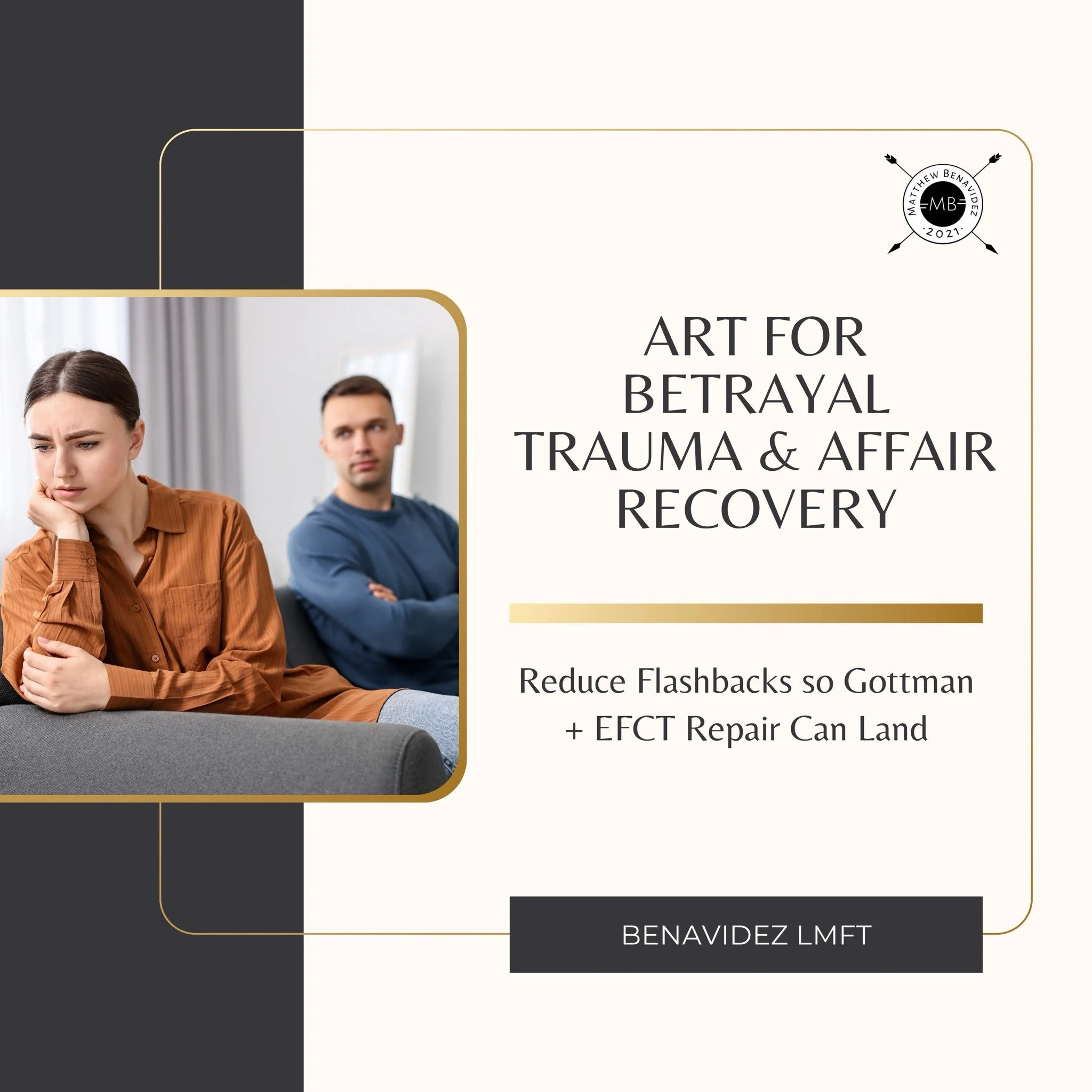
ART for Betrayal Trauma & Affair Recovery (with Gottman + EFCT)
Betrayal images can loop and ignite reactivity. ART can reduce flashbacks while Gottman + EFCT guide repair.
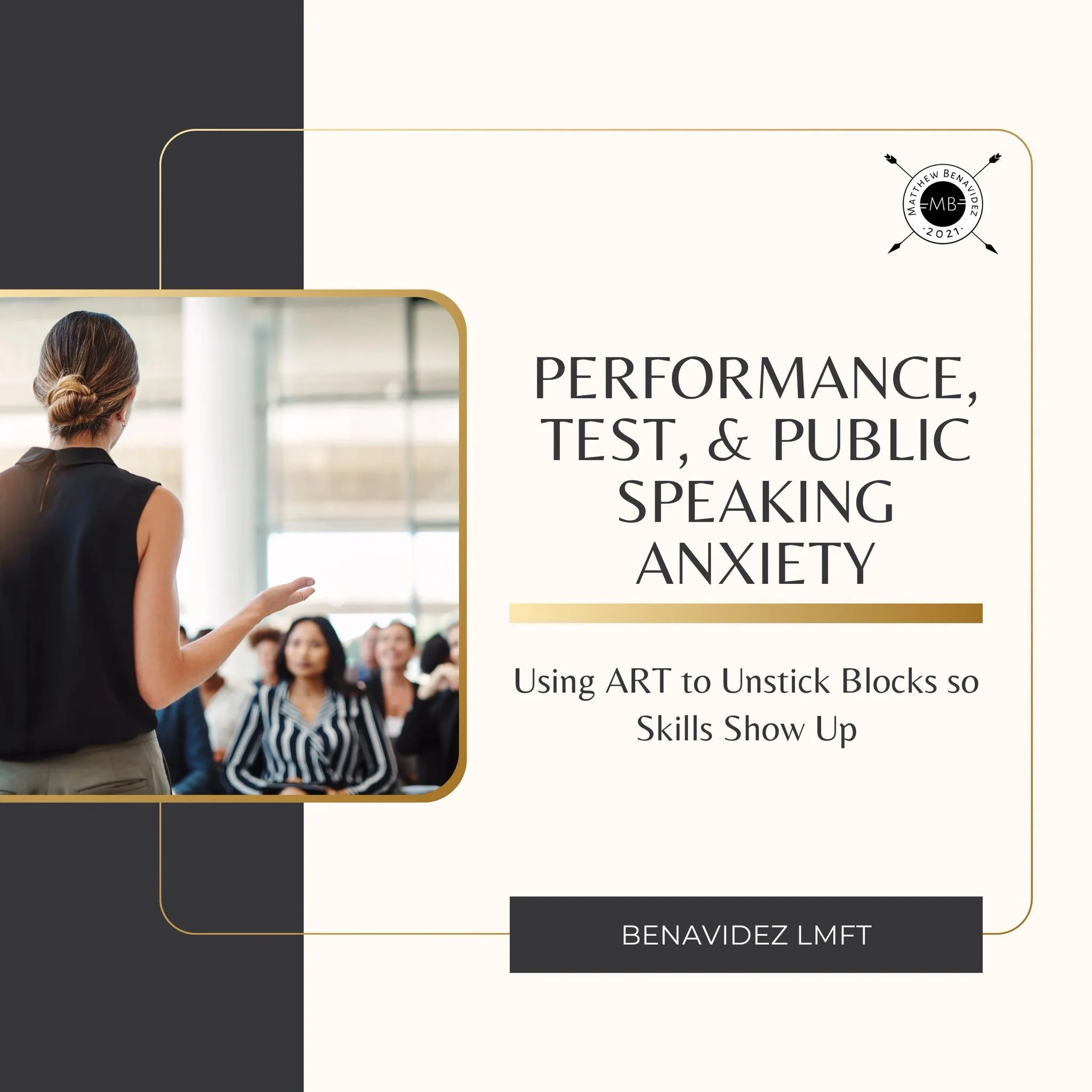
Performance, Test, and Public Speaking Anxiety: Using ART to Unstick Blocks
High-stakes moments can trigger old alarms. ART targets specific memories so your skills can show up when it counts.
Grief vs. Traumatic Grief: Where ART Fits
Grief is not a problem to fix. When images are traumatic and “stuck,” ART can help while honoring your bond and values. Results vary.
When Talk Isn’t Enough: ART + IFS (Parts Work)
ART can reduce the “heat” on painful memories so IFS parts relax. Here’s how ART and IFS complement each other.
Healing Medical Trauma & Health Anxiety with ART
Medical memories can linger. ART helps update distressing images and sensations so appointments feel safer again.
Calm the Alarm: How ART Helps with Phobias & Panic
ART can help reduce phobias and panic by updating distressing images and sensations. Here’s how it works and what to expect.
Your First ART Session: What to Expect & How to Prepare
Here’s exactly what your first ART session looks like—from intake to aftercare—plus simple ways to prepare so you feel calm and informed.
From Nightmares to Restful Sleep: Using ART for Disturbing Images
Nightmares and intrusive images can shift with ART. Learn how imagery rescripting helps your brain rest easier—plus gentle sleep supports.
Faith-Aware Trauma Care: Using ART Without Losing What Matters Most
You can heal without losing what you value. Here’s how faith-aware ART honors your beliefs while easing distress and trauma symptoms.
Breaking Negative Cycles: How ART Supports Couples Work
ART can calm trauma-linked reactivity so Gottman tools and EFCT attachment work land better. Here’s how it helps couples break negative cycles.
ART vs. EMDR: Key Differences, Similarities, and How to Choose
ART and EMDR both use eye movements and memory reconsolidation. Here’s how they compare—and how to choose the best fit for your goals.
What Is Accelerated Resolution Therapy (ART)? A Clear Guide for Utah County
Wondering if ART can help with trauma, anxiety, or grief? Here’s a clear guide to how ART works, what sessions feel like, and who it can help.
Creating Shared Meaning in Marriage
Marriage is a major milestone for many people. It marks the beginning of a lifelong partnership with the person they love most in the world. However, maintaining a healthy and happy relationship takes effort, patience, and dedication. In his book, The Seven Principles for Making Marriage Work, John Gottman shares techniques that can help couples build stronger, more meaningful marriages. One of the most significant techniques he explores is the creation of shared meaning. In this blog post, we will delve into the details of this technique and explore ways in which you can create shared meaning in your own marriage.
Overcoming Gridlock: Tips for those in a Committed Relationship
Being in a committed relationship is not always sunshine and rainbows. Even the happiest of couples can encounter conflict and disagreement from time to time. But what happens when these disagreements turn into gridlock? When both partners feel emotionally stuck, unable to resolve a particular issue? In this blog post, we will dive into this principle and provide tips for women in a committed relationship for dealing with gridlock.
How to Solve the Solvable Problems in Your Marriage
Marriage is not always a bed of roses, but it is a journey worth taking. It’s quite normal for couples to face conflicts in their marriage, be it small or big. However, it’s essential to address these issues before they become irreparable. The good news is that most marriage problems are solvable. You just need to know the right steps to take. In this blog, we’ll dive into the seven principals for making a marriage work by John Gottman and provide you with practical ways to solve the solvable problems in your marriage.
Why Letting Your Partner Influence You Can Save Your Relationship
Marriage is a beautiful and fulfilling journey when two people share their lives with each other. But it’s not always perfect, and it comes with its own set of challenges. One of the biggest challenges in a marriage is compromise. Sometimes it’s hard to accept others' opinions, especially when they are different from our own. However, there is a simple yet powerful solution that can significantly improve your relationship with your partner, and that is letting your partner influence you. In this blog post, we’ll explore why it is essential to let your partner influence you, as suggested by John Gottman's Seven Principals for Making Marriage Work.